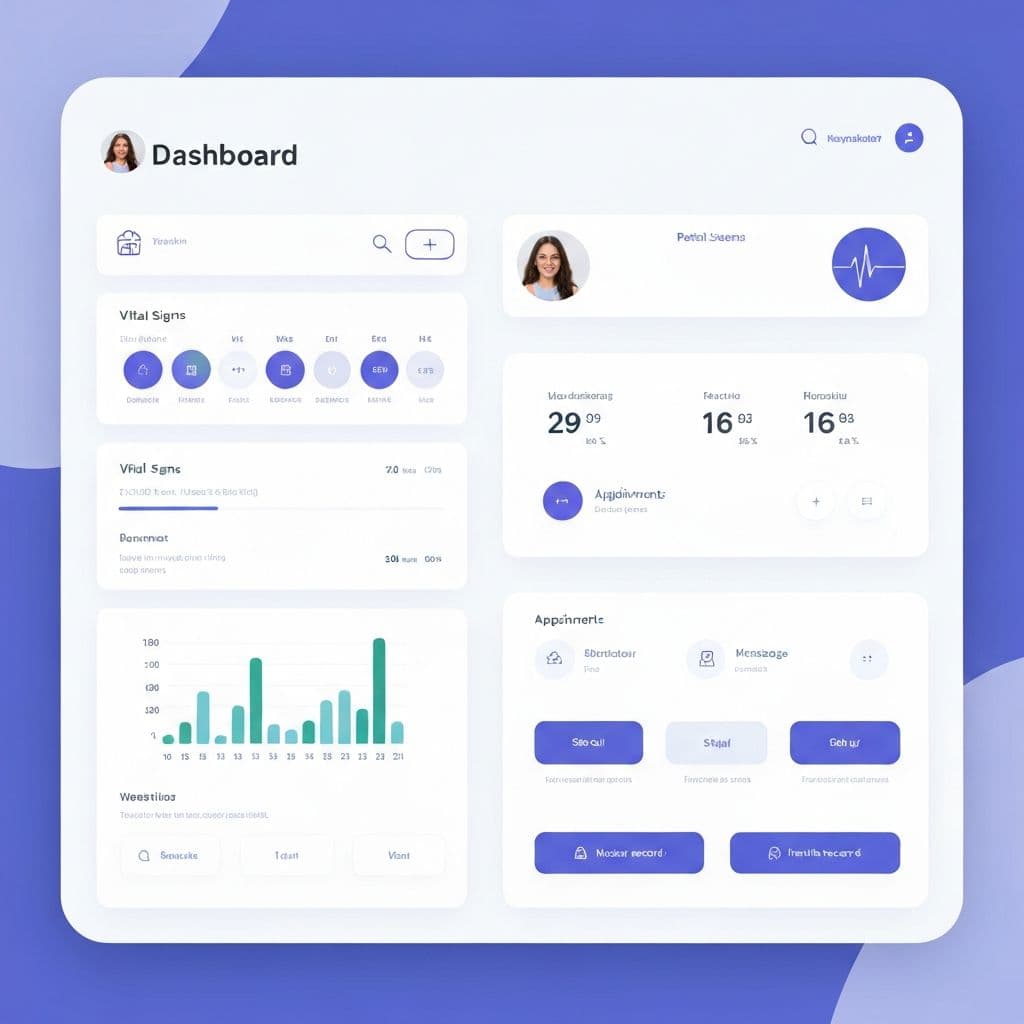
Healthcare design is not only about looking professional. It is about making people feel that the information is reliable, the process is understandable, and the next step is safe to take.
Structure matters more than decoration
Visitors need immediate orientation. Services, specialties, contact options, booking paths, and emergency information should be easy to recognize without hunting through marketing language.
Clean typography, sensible spacing, and strong labeling reduce cognitive pressure for users who may already be anxious.
"In healthcare, clarity is a trust signal before it is a design choice."
Content should answer real patient questions
Healthcare sites often fail because they speak in internal language rather than visitor language. People want to know what is offered, who it is for, what to expect, and how to take action.
That means service pages should explain symptoms, workflow, provider credibility, and preparation details with more practical clarity.
Key Takeaways
- Healthcare users need clear structure before persuasive design.
- Practical service information builds more trust than abstract claims.
- Mobile performance and working contact flows are essential.
- Consistency across content and UX reinforces credibility.
Trust is built through consistency
Professional visuals help, but trust is reinforced when booking actions work, contact details are clear, mobile performance is strong, and the site handles important information without clutter.
Every broken interaction weakens confidence in the care behind the interface.