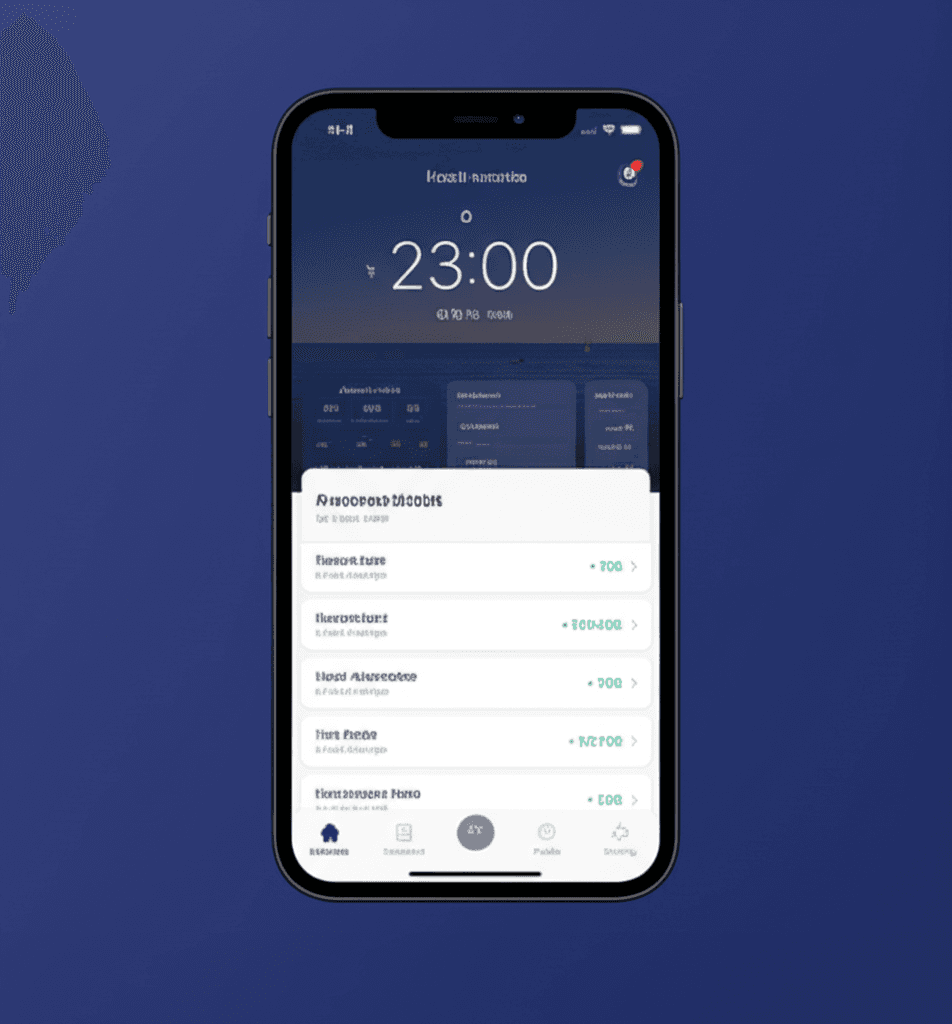
A website is not only a container for brand assets. It is the place where tone, credibility, clarity, and action come together. That is why branding and web design should inform each other instead of being treated as separate tracks.
Branding without digital expression stays incomplete
Color, typography, voice, and positioning only become meaningful when they shape real user interactions. If the website does not carry those principles consistently, the identity feels cosmetic rather than operational.
Users experience brand through flow, hierarchy, and clarity as much as they do through visual assets.
"A good brand identity should not stop at the logo. It should shape the way the interface communicates."
Website design needs a real strategic voice
When web design starts without brand thinking, pages often become visually acceptable but strategically generic. Messaging lacks distinction, visuals feel borrowed, and the user journey misses the tone the business wants to own.
That makes the site easier to compare on price because the value story feels weak.
Key Takeaways
- Brand identity should shape interface behavior, not only visuals.
- Websites built without brand strategy often feel generic.
- Integrated brand and web decisions create stronger trust signals.
- Consistency across message and design improves conversion clarity.
The strongest work happens in overlap
When branding and website design are developed together, the result is more coherent. Page structure, calls to action, imagery direction, and content voice all reinforce the same business identity.
That coherence helps users trust faster because the experience feels deliberate from end to end.