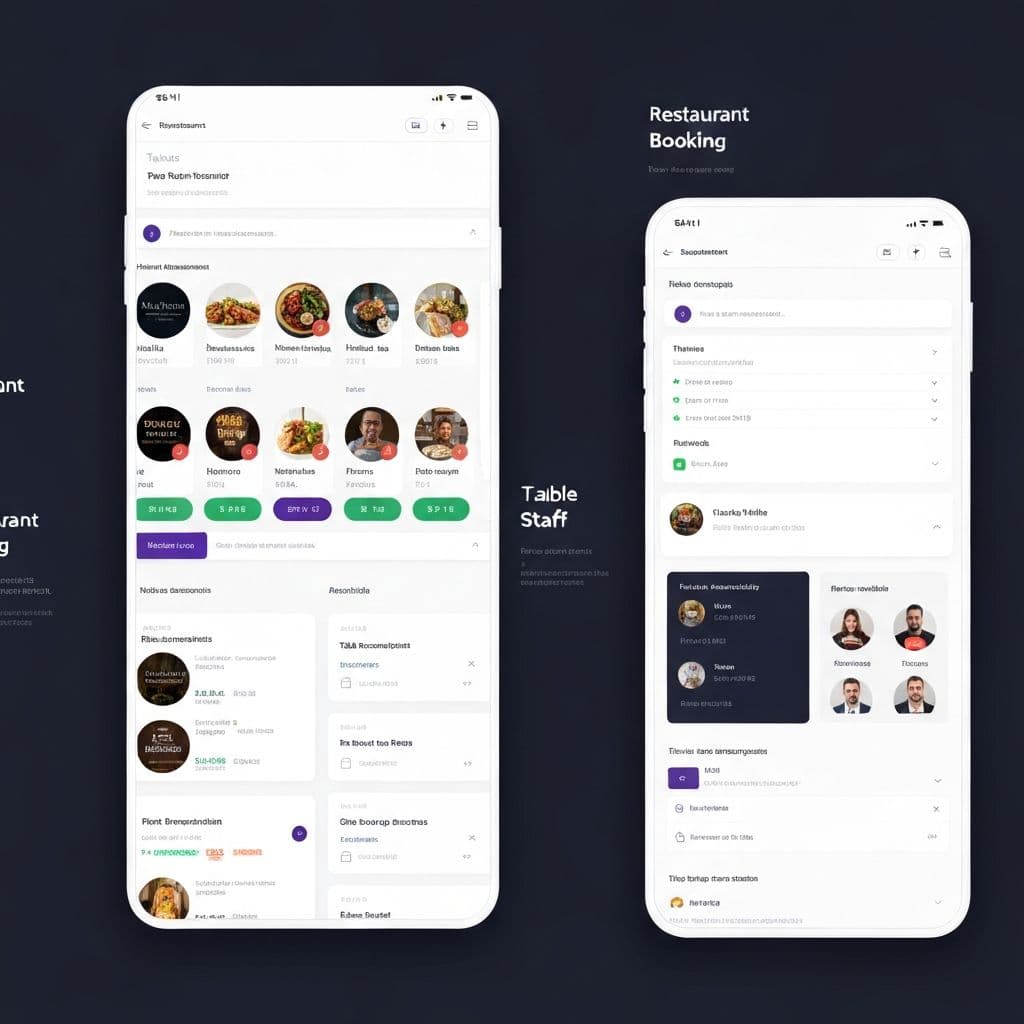
Mobile-first design is especially important for service businesses because visitors often arrive with immediate intent. They may be comparing vendors, checking credibility, or trying to contact someone quickly from a phone.
Make critical actions obvious
Phone, WhatsApp, quote request, booking, and location actions should be easy to find without long scrolling. Users should not need to decode the page to understand how to take the next step.
The more urgent the service category, the more important this becomes.
"Mobile-first does not mean shrinking the desktop site. It means prioritizing the user's real context."
Keep content clean and readable
Mobile layouts need generous spacing, clear headings, concise paragraphs, and image sizes that support rather than bury the message. Service pages often feel overwhelming because desktop content is simply stacked instead of truly restructured.
A readable mobile page improves both trust and conversion behavior.
Key Takeaways
- Contact actions should be visible early in the mobile journey.
- Mobile layouts need real content prioritization, not simple stacking.
- Short forms and fast performance strongly affect service inquiries.
- Mobile-first thinking should shape design and engineering together.
Performance and form design are part of UX
Fast loading, stable layouts, and simple inquiry forms matter as much as visual polish. If the mobile experience is slow or form-heavy, many users will delay contact and choose a competitor with less friction.
Mobile UX works best when technical and content decisions support each other.